You have no items in your shopping cart.
Handheld Marine Radio, VHF Radio & Antenna
Who must carry one?
Depending on your local state maritime laws, you may be required to carry a marine radio when travelling offshore (in Australian Territorial Waters, by law this is within 12 nautical miles from land; in Victorian waters, it is beyond 2 nautical miles). There are 3 different types of marine radio:
27mHz
No license required to own or use. Short range communication only (line of sight)
VHF
No license required to own, but certificate of proficiency to use it. See your local Coast Guard to enrol in their next course. Good short range communication and required by law to be carried on commercial boats.
MF/HF
Medium to long range communication, highly recommended for boats travelling more than 200 nautical miles offshore. An operator's license is required to use an MF/HF radio and a license is required to own one. The boat is also issued with an official Australian marine radio call-sign for use on the MH/HF radio.
When at sea, you must have your radio turned on and tuned to the distress frequency.
- 27mHz Transceivers: 27.88MHz (channel 88) with 27.86MHz as a supplementary
- VHF Transceivers: Channel 16 with channel 67 as a supplementary
- >MF/HF transceivers:
- Distress and calling 4125, 6215, 8291KHz
- Navigational warning 8176KHz
Check out our article 'VHF Radio Range - How far does it go?' to find out how the transmission ranges of a VHF radio and handheld marine radio are different.
What certification do I need?
Operators of VHF and MF/HF marine radios must hold an Australian Waters Qualification (AWQ).
The AWQ was introduced by the Australian Communications and Media Authority (ACMA) in 2015.
Courses for this qualification are coordinated by the Australian Maritime College in Tasmania and by volunteer invigilators (exam supervisors) around the country. Other boat occupants should also be encouraged to have a working understanding of the radio for emergency use.
An existing Marine Radio Operator’s Certificate of Proficiency (prior to 2015) is also recognised:
- Long-Range Operator Certificate of Proficiency (previously known as the Marine Radio Operator's Certificate of Proficiency - MROCP)
- Short-Range Operator Certificate of Proficiency (previously known as the Marine Radio Operator's VHF Certificate of Proficiency - MROVCP)
- Marine Satellite Communications Certificate of Endorsement - MSCCE (SATCOM)
A Mobile phone is no substitute!
Cruising Around the Coast?
When you are planning an extended sailing trip, develop an Offshore Tracking Schedule with the Australian Volunteer Coast Guard who will track your journey from start to finish and hand over to the next Marine Rescue service if you leave Victorian waters. In Victoria contact Coast Guard Melbourne to set this up via Marine Radio or phone 03 9598 7003
Use the marine radio Repeater Network to complete position reports at each stage of your trip (Schedules) as VHF radio only has ‘line of sight’ range.
If you have not reported in at your scheduled time Search and Rescue, authorities may begin searching for you.
Simrad RS40 DSC VHF AIS Radio
RRP: $899.00
NOW: $841.50
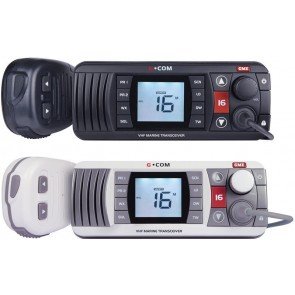
GME GX700 VHF Marine Radio
From: RRP $270.00
$255.00
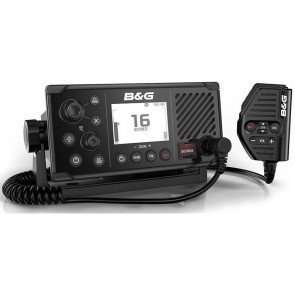
B&G V60 DSC VHF AIS Radio
RRP: $899.00
NOW: $841.50
Simrad RS20S DSC Marine Radio With GPS
RRP: $489.01
NOW: $419.00
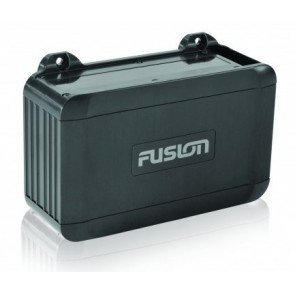
Fusion MS-BB100 Black Box Entertainment System
RRP: $539.00
NOW: $458.00
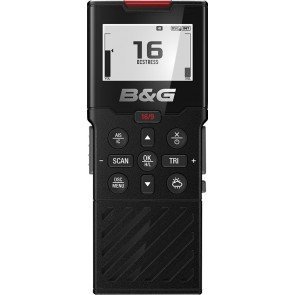
B&G H60 DSC Wireless Remote With AIS Display
RRP: $349.00
NOW: $322.00
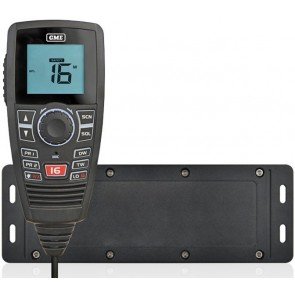
GME GX750 Black Box VHF Marine Radio
From: RRP $375.00
$365.00
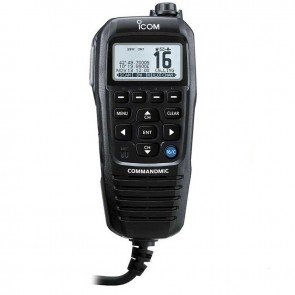
Icom HM195GB CommandMic
RRP: $350.00
NOW: $340.65
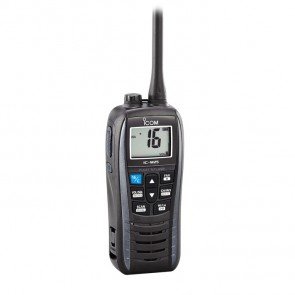
ICOM IC-M25 Handheld VHF Radio
RRP: $250.00
NOW: $219.00
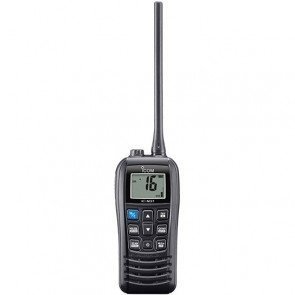
IC-M73EURO VHF Handheld Radio
RRP: $450.00
NOW: $409.50
ICOM IC-M37 Handheld VHF Radio
RRP: $330.00
NOW: $300.50
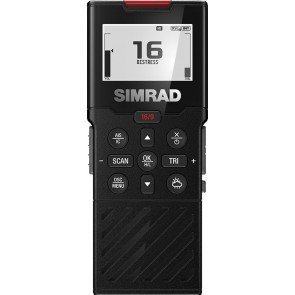
Simrad HS40 DSC Wireless Remote With AIS Display
RRP: $349.00
NOW: $322.00
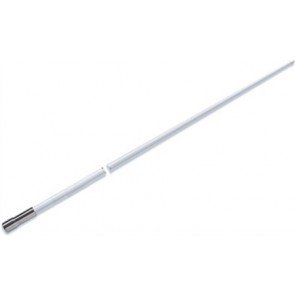
Navico 1710 VHF Quick Fit Antennas
From: RRP $169.00
$158.50
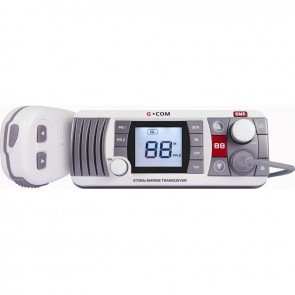
GME GX400 27MHz Marine Radio - White
RRP: $255.00
NOW: $208.00
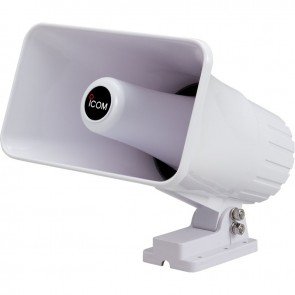
ICOM SP-37 External Hailer Horn Speaker for VHF Radios
RRP: $145.00
NOW: $124.00
Pacific Seamaster Pro Antenna Rail Mount
From: RRP $46.57
$45.00
GME Ground Dependent Aerials
From: RRP $65.00
$63.00
GME Detachable Marine Whip Antennas
From: RRP $55.00
$54.00
Pacific SeaMaster Pro Transceiver Aerials
From: RRP $73.74
$70.00
GME Detachable Black Marine Whip Antennas
From: $55.00





New Products in Marine Radio & Aerials

Specials in Marine Radio & Aerials


Popular in Marine Radio & Aerials